
Welcome to Little Fireface Project
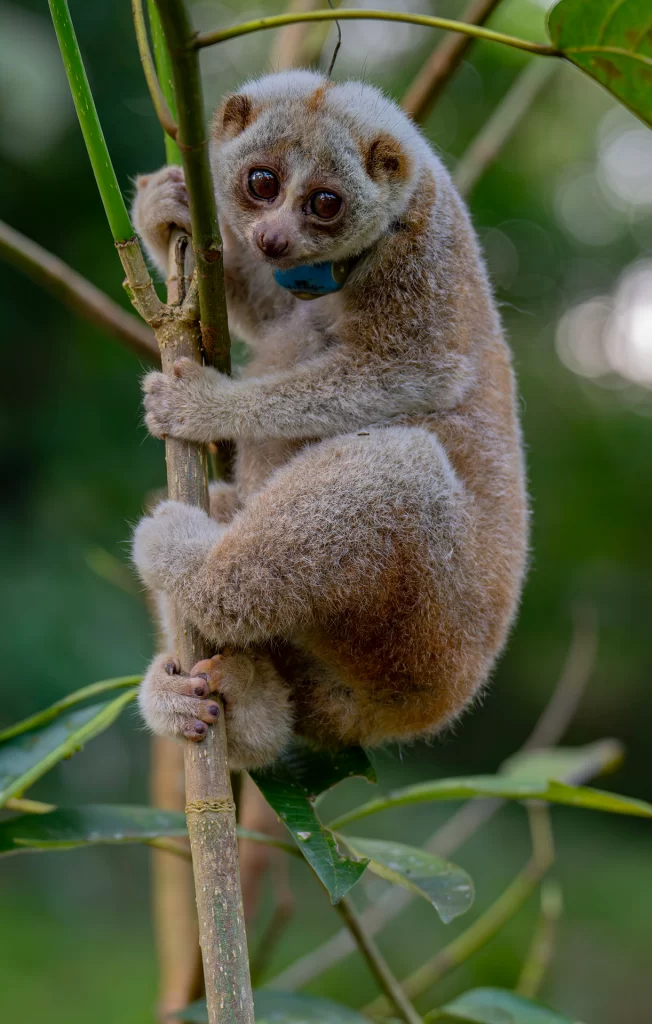
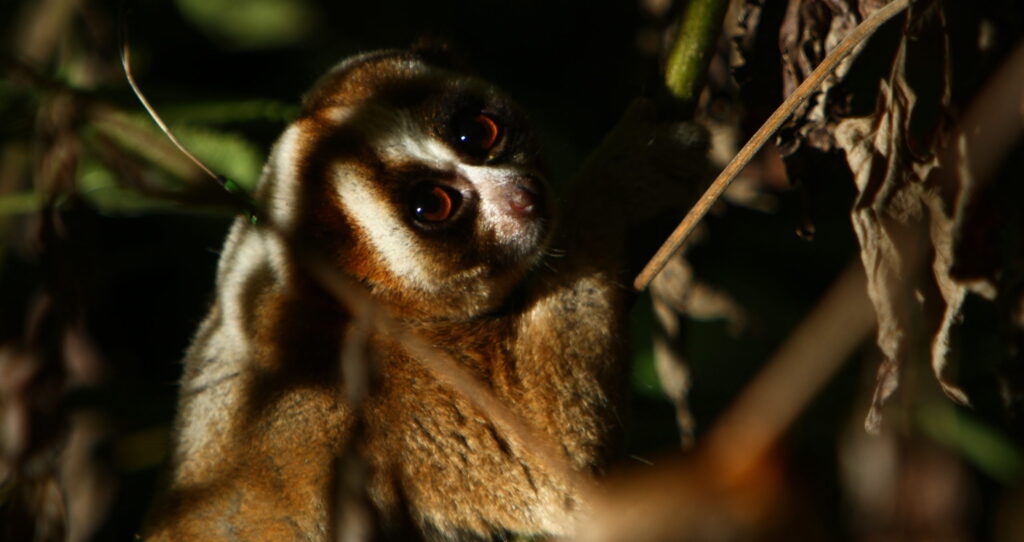
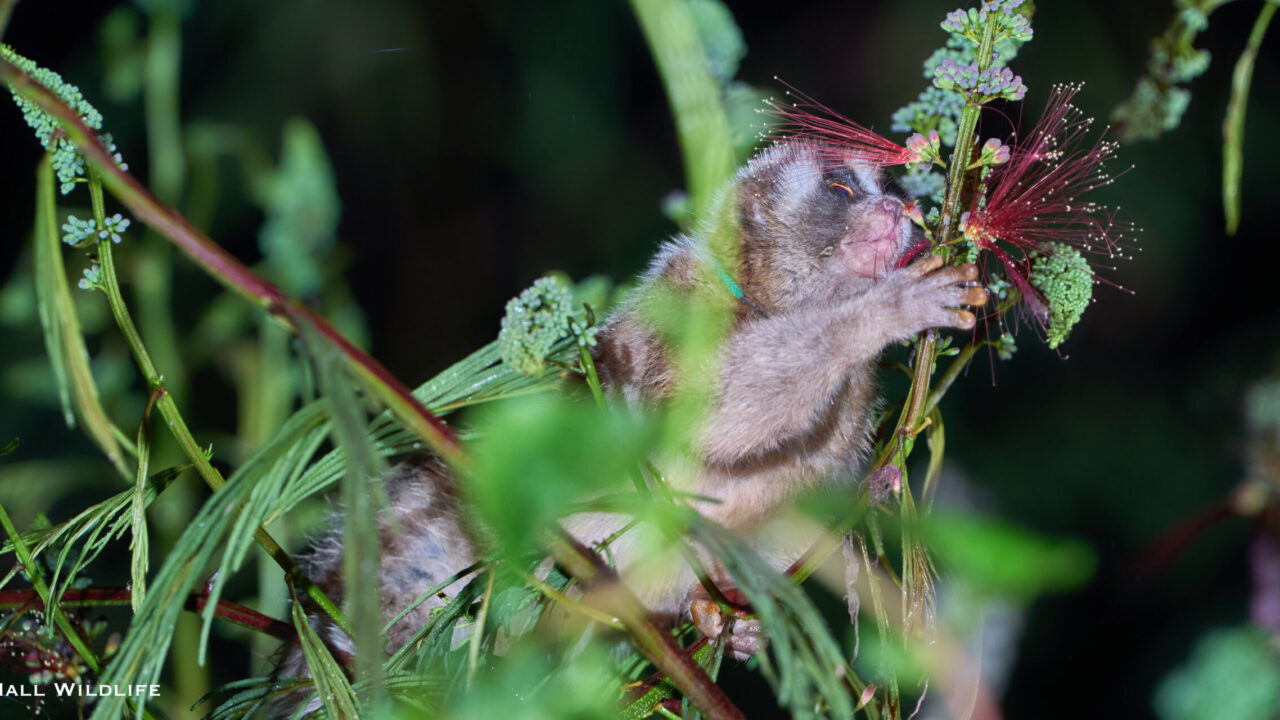
Welcome to the Little Fireface Project, led by world-renowned loris expert Professor Anna Nekaris OBE. As the longest-running loris conservation initiative, our mission is to deepen understanding of all loris species and foster conservation through education and community engagement. Currently, we focus on the Critically Endangered Javan slow loris (Nycticebus javanicus), with our Java research station studying a wild population since 2012. Alongside this, we conduct country-wide surveys in forests and wildlife markets, documenting other elusive nocturnal species such as colugos, pangolins, civets, small cats, mustelids, and owls.
Here you can find information on all of our research, publications, and media exposure. You can also explore ways that you can help save the loris through donations, activism and internships with us. We hope you’re as inspired as we are by these amazing creatures!



NEW RESEARCH
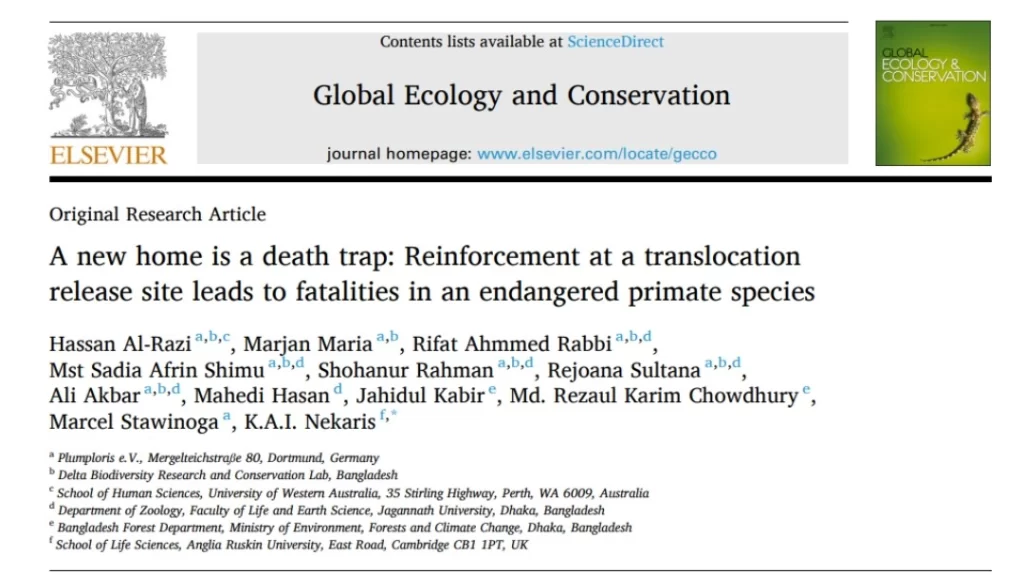
Our latest peer-reviewed study, A new home is a death trap: Reinforcement at a translocation release site leads to fatalities in an endangered primate species, examines the outcomes of releasing rescued Bengal slow lorises (Nycticebus bengalensis) back into the wild.
This study is the result of a research collaboration between Plumploris e.V., Bangladesh Slow Loris Research and Conservation Project, and Little Fireface Project, with support from the Bangladesh Forest Department.
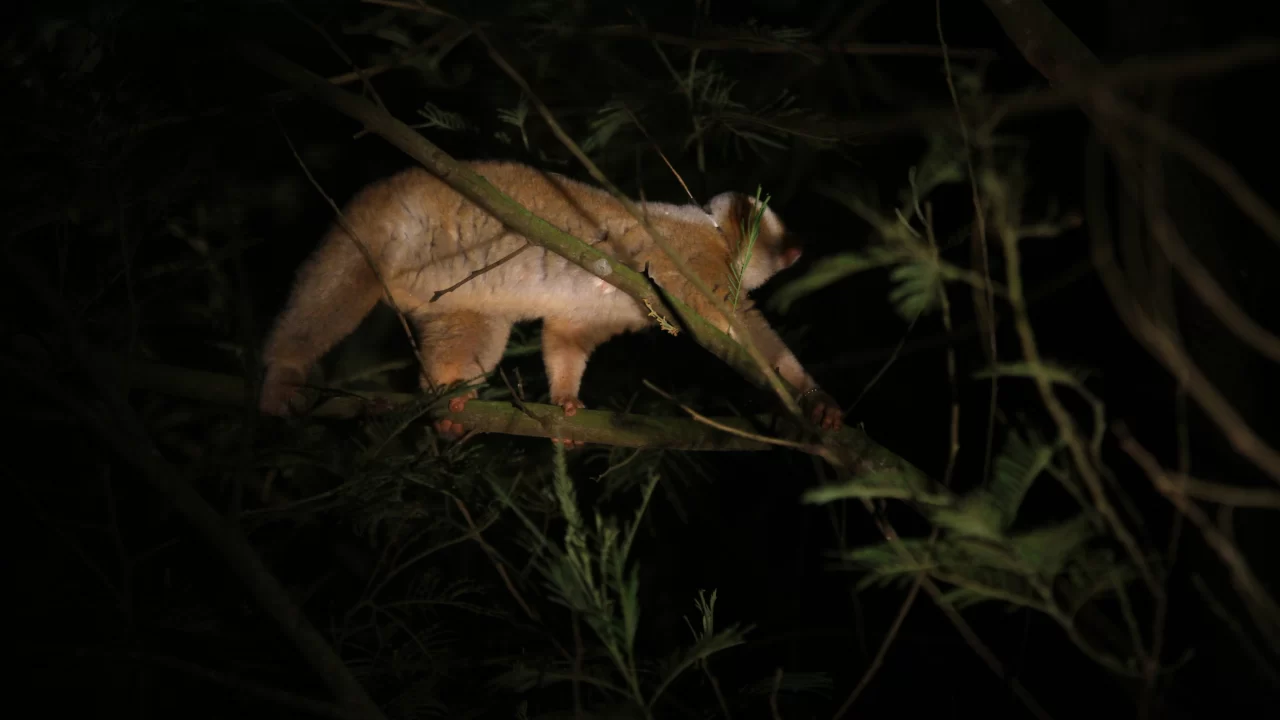
Nine rescued Bengal slow lorises (Nycticebus bengalensis) were monitored after release into fragmented forest in northeastern Bangladesh using radio telemetry over eight months to assess survival, space use, and behavioural adaptation.
Only two individuals survived.
Several deaths were caused by intraspecific aggression from resident lorises, highlighting the risks of territorial conflict in already occupied habitats. Individuals that did not survive exhibited behavioural patterns consistent with chronic stress and poor habitat integration, and longer periods in captivity prior to release were associated with lower survival.
Wildlife translocation is frequently presented as a conservation solution to the illegal wildlife trade. Our findings demonstrate that for highly territorial, nocturnal primates, release without rigorous site assessment, density evaluation, and sustained post-release monitoring can carry substantial mortality risk.
Rescue is not the endpoint. Conservation success depends on what happens after release.
Read the full article here